
Improvisation and the Possibility of Rescue
Five Days at MemorialStories from the airport, Haiti, and Bellevue develop the theme that improvisation can preserve life and prevent desperate triage choices.
increasing Bearing strength in each event
 decreasing
Bearing strength in each eventdecreasingImprovisation at Memorial
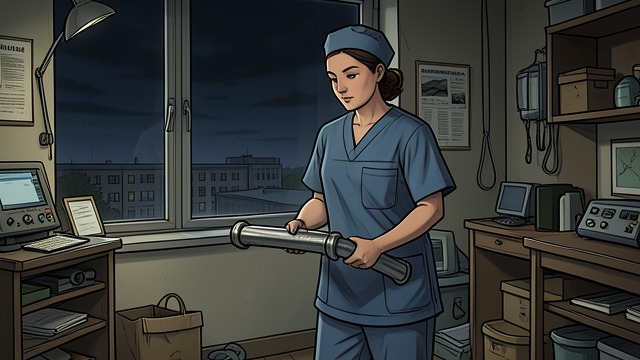
Improvisation at Memorial
Small Solutions
Hospital staff used hand ventilation, gravity-fed fluids, improvised routes, and later small generators. These acts showed that care could continue in limited forms after major systems failed.
Missed Possibilities
Some useful resources were discovered late or were not integrated into patient care. The difference between a scarce resource and an unavailable one depended partly on whether staff kept looking for alternatives.
The Airport’s Limits
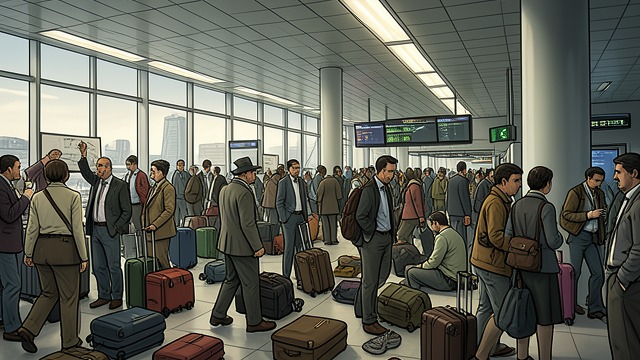
The Airport’s Limits
Evacuees Arrive
Patients reached the airport without a reliable system for onward transport. Disaster teams were overwhelmed, short on supplies, and unable to absorb the number of people arriving.
Moving Is Not Enough
An evacuation can relocate danger rather than end it. The absence of resupply and continuity of care turned rescue into another crisis.
LeBrun’s Oxygen Crisis
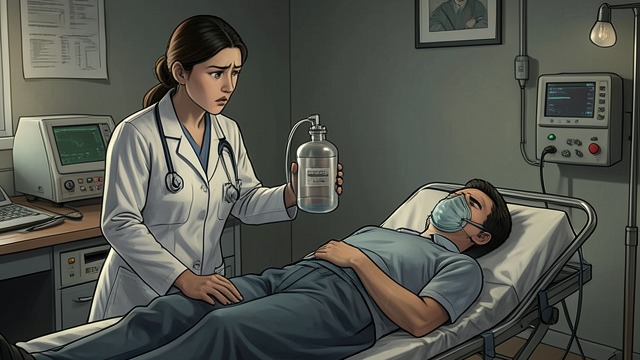
LeBrun’s Oxygen Crisis
A Scarce Supply
After the Haiti earthquake, responders considered withdrawing oxygen from Nathalie LeBrun because her chronic need competed with temporary needs. The decision was made without informing her.
Improvisation Changes the Outcome
A physician at another hospital found oxygen and treated her condition with inexpensive medication. LeBrun stabilized, showing that an apparent resource dilemma may have alternatives not yet considered.
Bellevue’s Fuel Chain
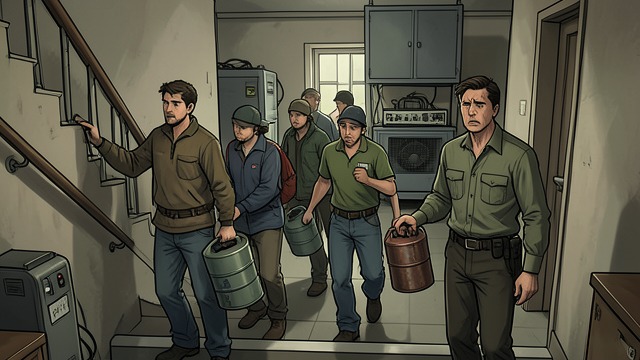
Bellevue’s Fuel Chain
A Power Threat
Floodwater threatened Bellevue’s generator fuel system, and officials feared that power would fail. Laura Evans and colleagues considered which patients could use a handful of outlets.
Carrying Fuel Upstairs
Volunteers passed fuel up stairwells, helping generators continue running. The physical labor prevented the projected power loss and preserved options for patients who otherwise might have faced rationing.
Inventive Respiratory Care
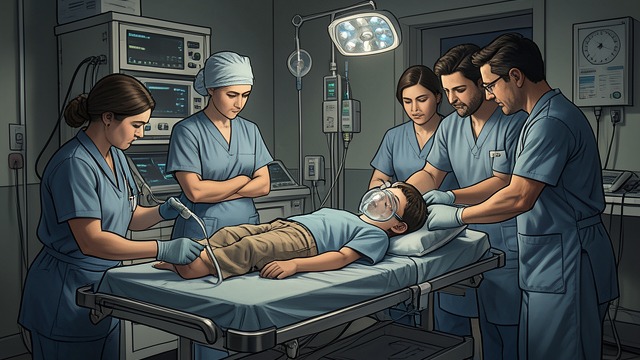
Inventive Respiratory Care
A Low-Cost Alternative
In Pune, Aarti Kinikar adapted bubble CPAP, an inexpensive breathing-support technique, for children with influenza when ventilators were scarce. Her team tested a practical alternative rather than accepting that nothing could be done.
Resources Freed for Others
As children improved, ventilators could be used for other patients. The episode suggests that technical creativity can reduce scarcity instead of merely deciding who must bear it.
August 31–September 1, 2005
September 1–2, 2005
January 2010
October 29, 2012
2009 H1N1 outbreak
